The Role of Concrete in Creating Sustainable Urban Landscapes Mar 20, 2026
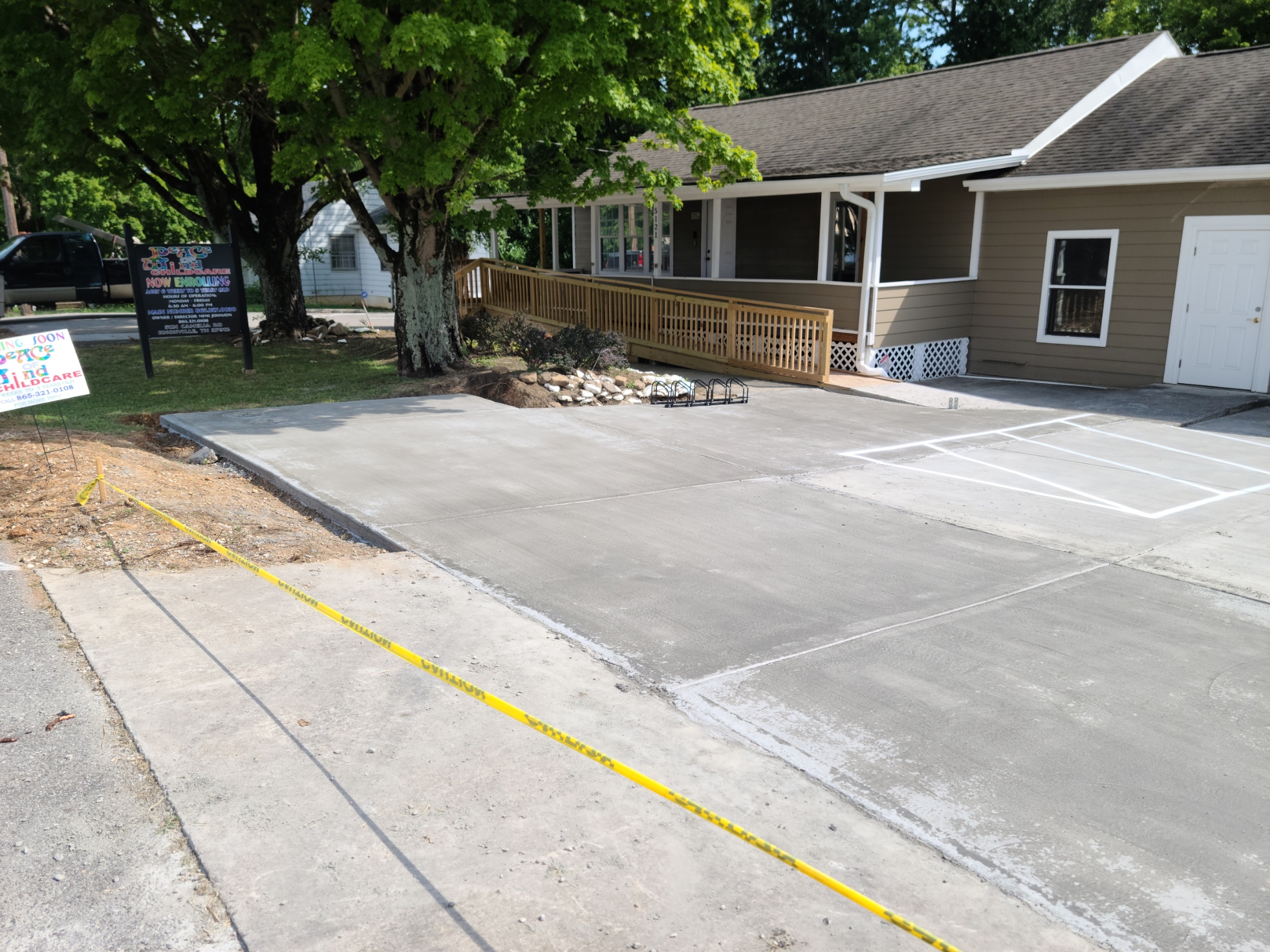
The transition to sustainable infrastructure requires a profound commitment to reducing carbon emissions. Concrete, as one of the most widely used materials in modern construction, plays an integral role in this endeavor. Companies like AXC LLC are at the forefront, employing advanced techniques to produce eco-friendly concrete. This involves utilizing supplementary cementitious materials (SCMs) like fly ash or slag to replace a portion of traditional cement, which markedly decreases carbon emissions during production.
An essential feature of using concrete in urban development is its potential for enhancing energy efficiency. When incorporated thoughtfully, concrete surfaces can influence urban climates through thermal mass, which stabilizes temperatures in buildings by absorbing and releasing heat slowly. This attribute leads to substantial energy savings in urban dwellings, such as reduced reliance on heating or cooling systems, thereby lowering energy consumption and fostering sustainability.
Concrete's durability and longevity significantly contribute to sustainable urban landscapes. One of the major environmental burdens in construction is the frequency of repairs or reconstructions, which generates additional waste and consumes extra resources. By utilizing high-quality concrete, cities can reduce the need for frequent repairs, resulting in a longer lifespan for structures. This not only cuts down on waste and operational disruptions but also embodies a more sustainable use of materials and resources.
Beyond the physical attributes of concrete, its economic benefits cannot be overlooked. The cost-effectiveness of using concrete over the long term makes it an attractive choice for sustainable urban developments. Lower maintenance costs and energy efficiency are economically advantageous aspects that align with sustainable objectives.
Moreover, concrete plays a critical role in designing resilient urban infrastructures capable of withstanding environmental challenges like flooding, earthquakes, and hurricanes. By fortifying structural integrity, cities can maintain functionality and safety in the face of natural disasters, aligning with goals for both sustainability and resilience.
Effective urban water management is another area where concrete can have a positive environmental impact. Permeable concrete solutions offered by leaders like AXC LLC address stormwater management challenges by allowing rainwater to pass through surfaces, replenishing groundwater supplies and reducing runoff. This innovation is essential in combating urban flooding and promoting sustainable water cycles.
As cities continue to grow and environmental pressures mount, the sustainable use of concrete in urban landscapes holds significant promise. Embracing innovative practices and leveraging the inherent strengths of concrete for energy efficiency, durability, and water management are crucial steps toward fulfilling sustainable development goals.
The role of concrete in constructing sustainable urban landscapes cannot be understated. By fostering advancements in eco-friendly concrete production and application techniques, companies like AXC LLC are redefining how this staple material can contribute to a more sustainable future. As we move forward, expanding public and private sector collaborations will be essential in overcoming the environmental challenges faced by cities worldwide, paving the path for greener, more resilient urban environments.
/filters:no_upscale()/filters:format(webp)/media/ddf15d2a-e949-4633-a366-cca6c2072dd5.jpg)