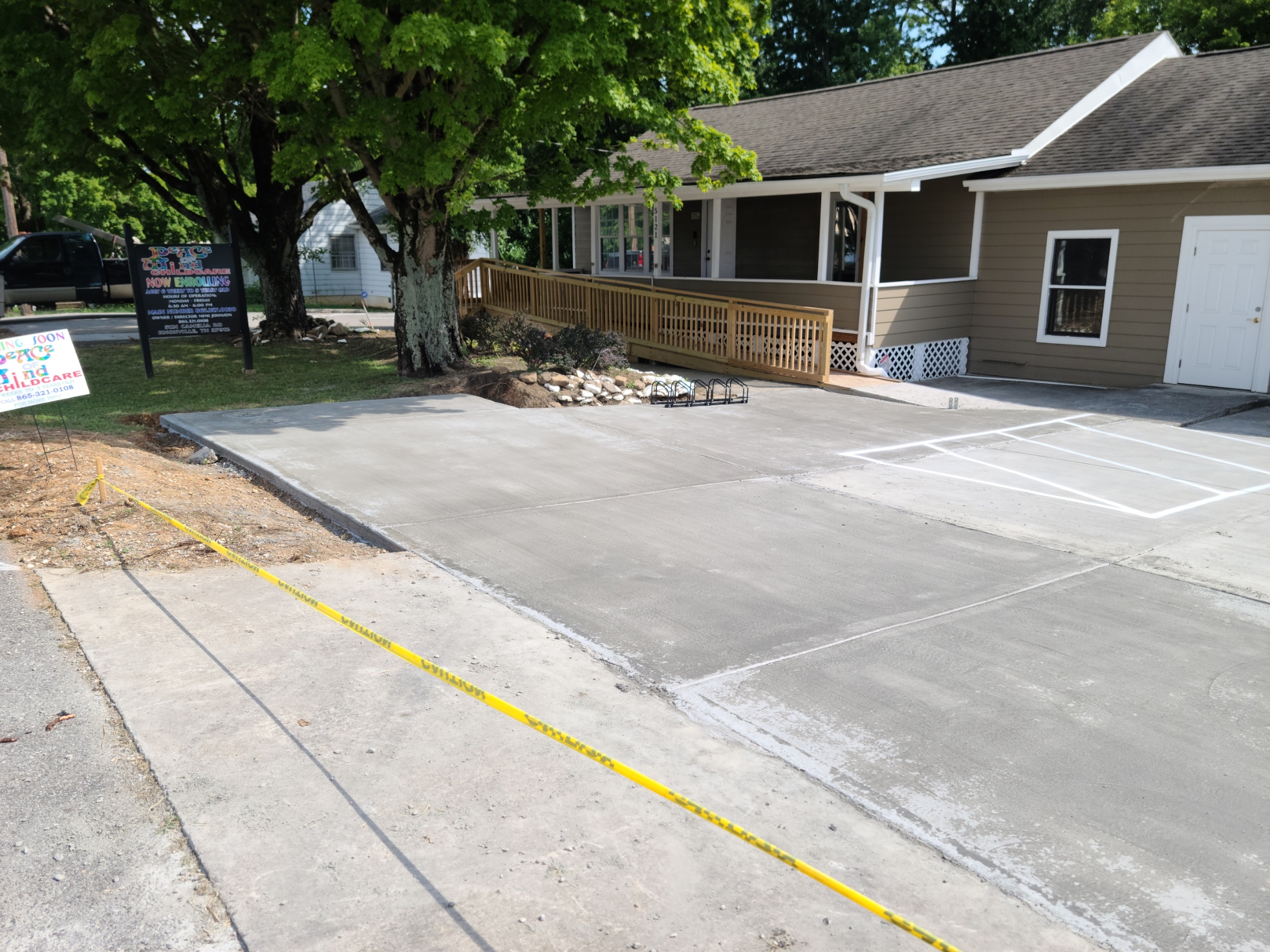
Designing with Durability: Why Concrete is the Core of Modern Architecture Mar 01, 2026
Concrete's reputation as a key building material is well-deserved. Its durability alone makes it an ideal choice for a wide range of constructions, from residential homes to towering skyscrapers. Unlike other materials that may degrade over time, concrete can withstand the test of weather, wear, and time. This resilience translates to a longer lifespan for buildings, meaning fewer resources are needed for repairs or reconstructions. Such sustainability is a major draw for environmentally conscious architects who aim to minimize a project’s carbon footprint.
Moreover, the versatility of concrete is second to none. This adaptable material can be molded into virtually any shape, permitting architects the creative freedom to design innovative and captivating structures. From smooth, curved surfaces to sharp, angular facades, concrete offers unparalleled flexibility. This ability to adapt doesn’t just stop at aesthetics; concrete also provides structural benefits that can ensure both safety and stability for complex architectural designs.
When discussing modern architecture, one cannot overlook the importance of energy efficiency. Concrete structures typically have excellent thermal mass, meaning they can absorb and store heat energy, thereby improving a building's energy efficiency. As energy costs rise and climate change becomes a pressing concern, this characteristic becomes even more valuable. By maintaining indoor temperatures more effectively, structures built with concrete can reduce the reliance on heating and cooling systems, which ultimately lowers energy consumption.
For customers of AXC LLC, choosing concrete not only provides these functional advantages but also represents a wise financial investment. Structures built with high-quality concrete often have an increased resale value due to their durability and reduced necessity for costly repairs and maintenance. Thus, property owners can expect a significant return on investment over time.
Concrete also speaks to the aesthetic sensibilities of contemporary design. Gone are the days when concrete was seen as boring or unattractive. Advances in technology have allowed for a host of concrete finishes, textures, and colors, enabling architects to produce bold and visually appealing works that still harness concrete’s robustness. This aesthetic adaptability ensures that concrete buildings remain relevant and stylish, fitting seamlessly into both urban settings and rustic landscapes.
In conclusion, as AXC LLC continues to provide impeccable concrete services, the importance of concrete in modern architecture will only grow. Its inherent strengths—durability, versatility, energy efficiency, and aesthetic possibilities—make concrete not only the backbone but also a future-proof material in the construction industry. By embracing these benefits, AXC LLC positions its clients at the cutting edge of architectural innovation, ensuring structures that stand the test of time both physically and aesthetically. Whether for new constructions or renovations, choosing concrete is an investment in quality and sustainability.
/filters:no_upscale()/filters:format(webp)/media/ddf15d2a-e949-4633-a366-cca6c2072dd5.jpg)